
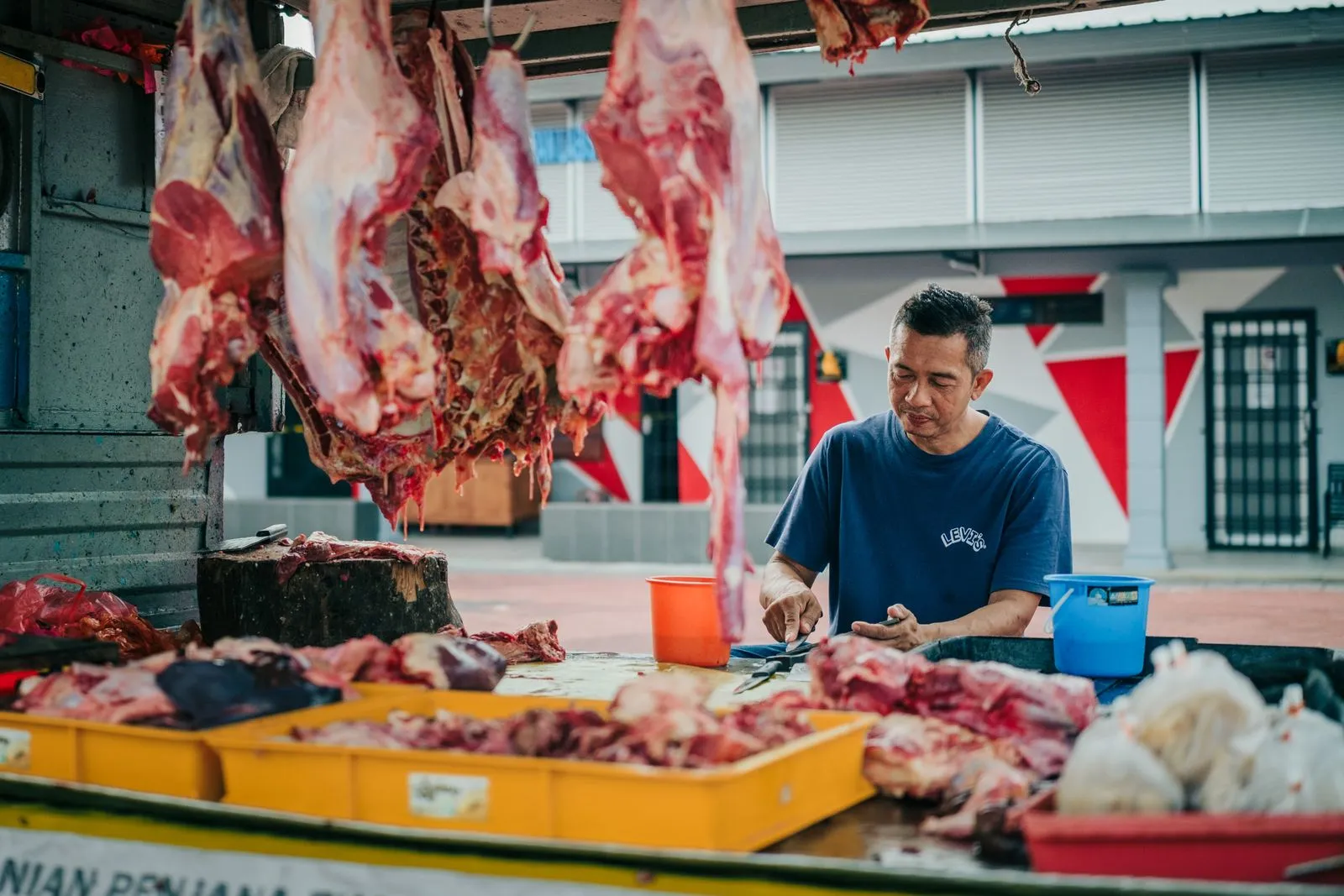
Good meat storage starts as soon as you leave the shop. Keep meat cold on the way home, then refrigerate or freeze it promptly rather than leaving it on the counter. The right temperature, leak-resistant packaging, and a safe thawing method help protect both quality and food safety. Use these practical steps for beef, pork, lamb, and other fresh cuts, and follow any handling or use-by guidance provided with your purchase.
Refrigerate Promptly and Correctly
Bring meat home in an insulated bag if your trip will take time, especially in warm weather. Put it in the refrigerator as soon as you arrive. Keep the refrigerator at 40°F (4°C) or below, and store raw meat on the lowest shelf in a tray or container. This prevents juices from dripping onto ready-to-eat foods.
Use fresh meat within a short, safe window. Raw ground meat and poultry generally keep for one to two days in the refrigerator; whole cuts of beef, pork, and lamb generally keep for three to five days. If you will not use the meat in that time, freeze it while it is still fresh. Check package instructions when they provide a shorter use period.
Wrap Meat for the Freezer
If the shop packaging is not designed for freezer storage, rewrap the meat before freezing. Use freezer paper, a freezer-safe bag, or airtight plastic wrap followed by a freezer bag. Press out excess air, seal securely, and avoid leaving gaps where air can reach the surface. Air exposure can cause freezer burn, which affects texture and flavor.
Divide large amounts into meal-size portions so you only thaw what you need. Label each package with the cut and freezing date, and keep your freezer at 0°F (-18°C) or below. For best quality, use frozen meat within a reasonable period; freezing keeps food safe while it remains solidly frozen, but quality can decline over time.
Thaw Without Warming the Meat
The refrigerator is the safest place to thaw meat. Set the wrapped package on a plate or in a container on the lowest shelf, and allow enough time for it to thaw. Small portions may thaw overnight, while larger cuts can take longer. Once thawed in the refrigerator, meat can stay chilled for a limited time before cooking; ground meat and poultry should generally be cooked within one to two days.
For a faster method, place meat in a leak-proof bag and submerge it in cold water, changing the water every 30 minutes. Cook it immediately after thawing. You can also use a microwave, but cook the meat right away because some areas may warm during defrosting. Never thaw meat on the counter or in hot water.
Keep Handling Clean
Wash your hands with soap and water before and after handling raw meat. Clean cutting boards, knives, counters, and containers after contact, and keep raw meat separate from foods that will be eaten without cooking. Do not rinse raw meat; splashing can spread bacteria around the sink and nearby surfaces.
If meat has been above 40°F (4°C) for more than two hours—or more than one hour in temperatures above 90°F (32°C)—discard it. Do not rely on smell or appearance to determine whether raw meat is safe. When you are unsure how a particular cut was packaged or how quickly to use it, ask the butcher for storage guidance.
Keep meat cold, package it tightly, and choose a safe thawing method before you need to cook. These habits help preserve quality while reducing avoidable food-safety risks. For cut-specific storage questions, contact Okanagan Whole Cut before your next visit.